.webp)


Makeup removal is one of those steps that feels basic, but it quietly affects everything else you do for your skin. I have learned over time that it does not matter how good your serums or moisturizers are if you are not properly removing makeup, sunscreen, and daily buildup at the end of the day. When residue stays on the skin overnight, it can lead to clogged pores, dullness, breakouts, and irritation. A good first cleanse sets the stage for healthier skin, plain and simple.
When it comes to removing makeup, most people end up choosing between three options: cleansing balms, cleansing oils, or micellar water. I use all three depending on my skin, my schedule, and honestly, my energy level.
Each works differently, feels different on the skin, and fits into a routine in its own way. There is no single winner here. The key is knowing how each one works and when it makes the most sense to use it.
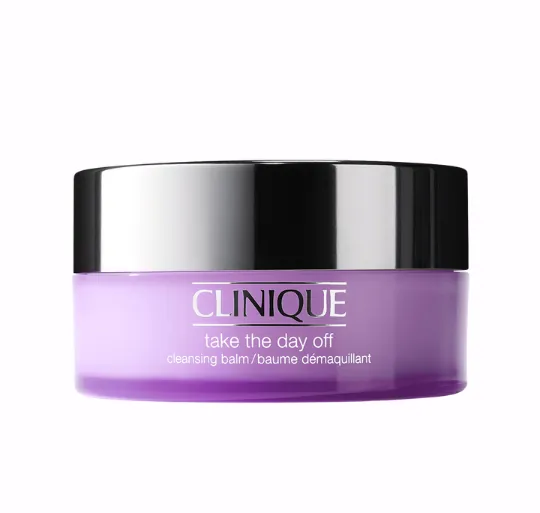
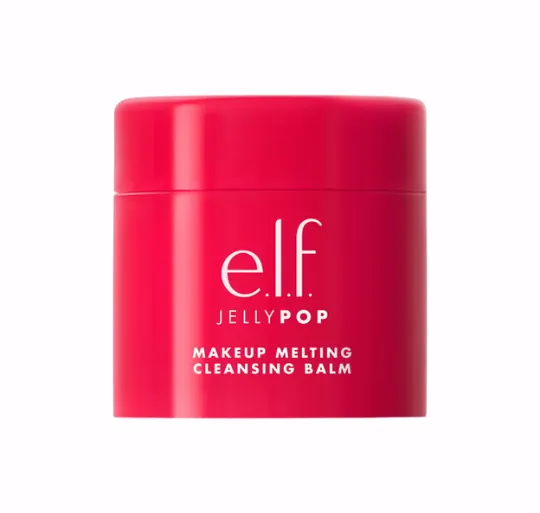
What is a Cleansing Balm?
Cleansing balms are solid formulas that melt into an oil when you massage them onto dry skin. As you add water, they emulsify and rinse away makeup, sunscreen, and debris. I think of them as rich and comforting. They are especially good at breaking down heavier makeup without needing a lot of rubbing.
Balms work by using oils to dissolve other oils, like makeup and sunscreen. This helps lift everything off the skin gently. Because they are thicker in texture, they tend to feel nourishing and soothing, especially if your skin is dry or sensitive.
SHOP CLEANSING BALMS
What is a Cleansing Oil?
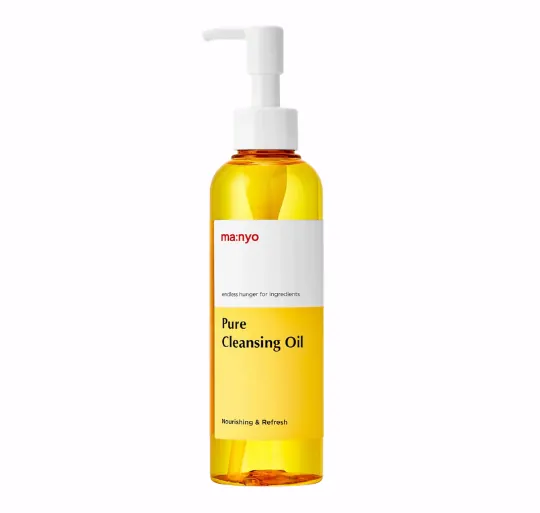
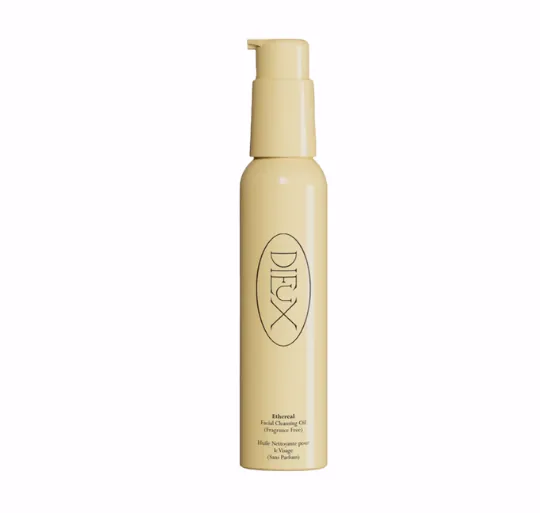
Balms and cleansing oils operate on the same fundamental principle. Oil draws more oil. Texture is the primary distinction. Oils typically come in pump bottles and are liquid from the beginning. After massaging them onto dry skin, you rinse them clean and add water to help them emulsify.
In my experience, using cleansing oils is lighter and faster than using balms. They spread easily, effectively rinse off, and remove tough sunscreen and makeup. Oils can actually help balance the skin when used properly, despite the fact that many people with oily skin are afraid to use them.
SHOP CLEANSING OILS
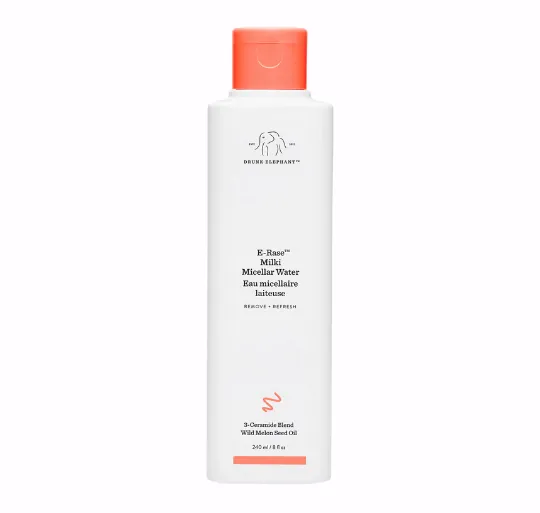
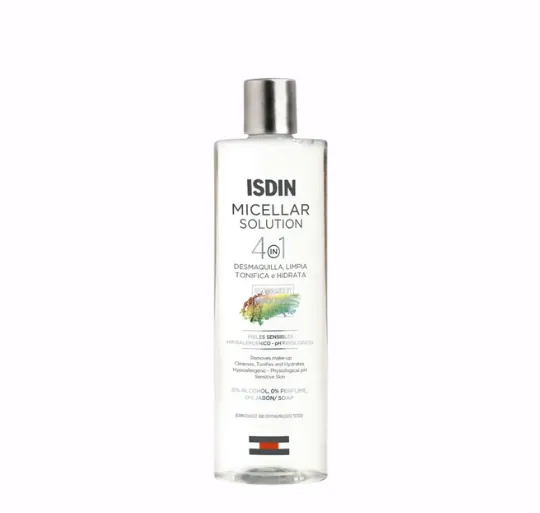
What is Micellar Water?
A water-based cleanser called micellar water is created using microscopic cleaning molecules known as micelles. You can use a cotton pad to remove the dirt, oil, and makeup that these micelles draw in. It is very convenient because it doesn't need to be rinsed.
Micellar water is, in my opinion, the most sensible choice. It's quick, gentle, and ideal for times when you can't dedicate yourself to a full routine. Although it can remove makeup, it works best for lighter coverage or as an opener to a more thorough cleaning.
SHOP MICELLAR WATER
Side-by-Side Comparison
Texture
The biggest difference between these three comes down to texture. Cleansing balms start off thick and solid, then melt into an oil as you massage them into the skin. Cleansing oils are liquid and lightweight from the start, spreading easily across the face. Micellar water feels just like water and is applied with a cotton pad rather than massaged in.
Makeup Removal Power
When it comes to makeup removal power, balms are the strongest option for heavy makeup and long-wear products. Cleansing oils are nearly as effective and do an especially good job breaking down sunscreen and waterproof formulas. Micellar water works best for light to medium makeup and everyday buildup.
Skin Feel
The way each product feels on the skin also differs. Cleansing balms feel rich and comforting, making them a popular choice when skin feels dry or sensitive. Cleansing oils rinse off clean and leave the skin feeling light rather than coated. Micellar water feels fresh and gentle, though it can sometimes leave residue if it is not followed by a rinse.
Best Use Cases
It depends on both skin type and routine. Cleansing balms are well suited for dry or sensitive skin and slower nighttime routines. Cleansing oils work well for most skin types and are especially nice in warm weather or after heavy sunscreen use. Micellar water is ideal for travel, workouts, and quick cleanses when time or energy is limited.
In my experience, using cleansing oils is lighter and faster than using balms. They spread easily, effectively rinse off, and remove tough sunscreen and makeup. Oils can actually help balance the skin when used properly, despite the fact that many people with oily skin are afraid to use them.
Choosing Based on Lifestyle
Skin type is not as important as lifestyle. Micellar water is what I usually reach for when I travel or arrive home late because it's much better than not cleaning at all on hectic nights.
Balms and oils make removal easier and more thorough if you wear makeup every day or use high-SPF sunscreen, especially at night when you have time to properly rinse. Cleansing oils feel lighter and faster in the summer or after exercise, lifting perspiration and sunscreen without feeling heavy.
Common Makeup Removal Mistakes
Additionally, there are a few typical errors that should be avoided. The skin barrier can be harmed by excessive cleaning or vigorous scrubbing. Makeup should be removed by your first cleanse rather than causing skin irritation. Even with no-rinse products, skipping the rinse step can leave residue behind, and since a small amount goes a long way, using too much product is needless.
Lastly, the effectiveness of cleaning is limited when it is rushed. There can be a noticeable difference even if you take an additional thirty seconds.
The Best Option
Choosing between a cleansing balm, cleansing oil, and micellar water is less about finding one perfect option and more about what suits your skin and routine. I rotate between all three, and that flexibility has helped keep my skin balanced. If you wear heavy makeup or sunscreen, balms and oils work best. For quick, gentle cleansing, micellar water fits in easily. Paying attention to how your skin feels makes all the difference.