.webp)
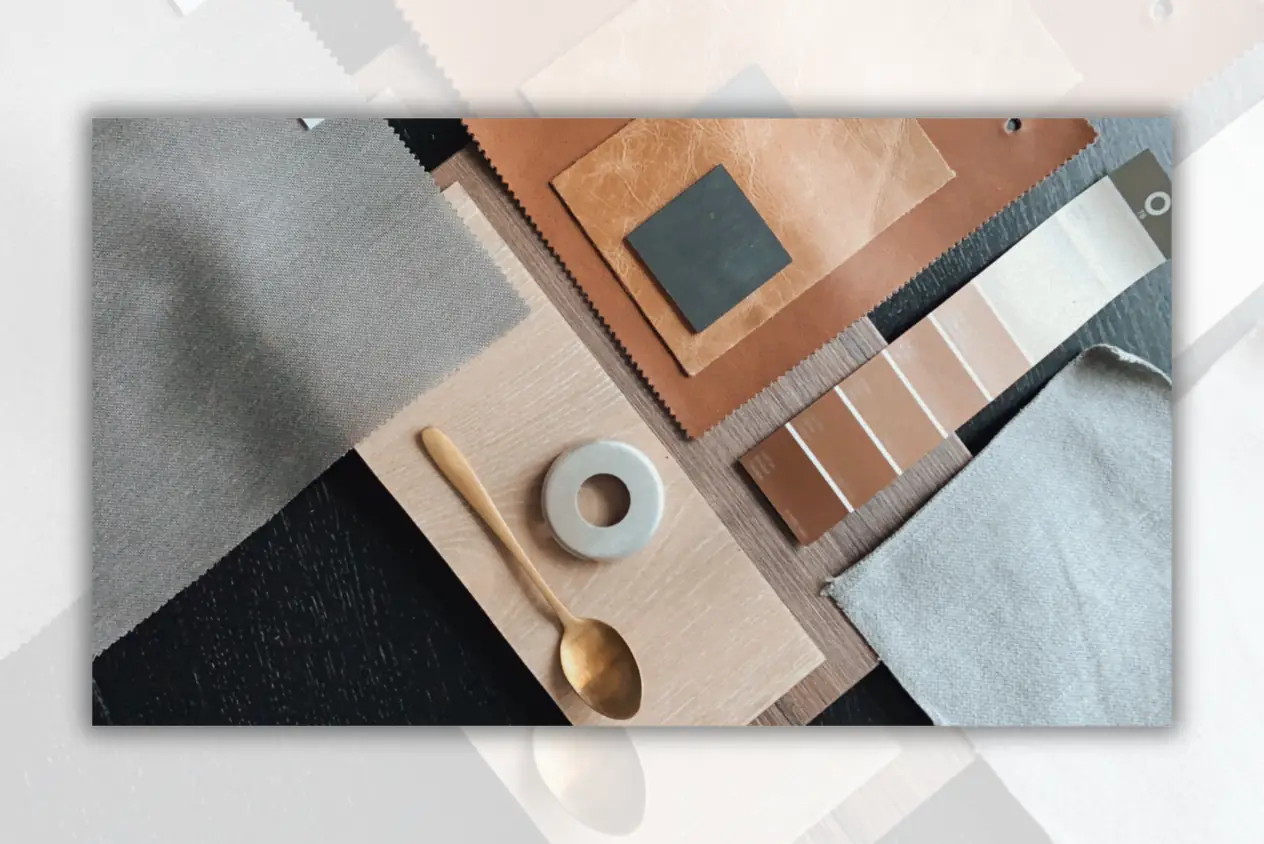
The way we decorate our homes has subtly changed over the past few years. Nothing drastic, no abrupt changes to the rules, just a gradual transition to areas that genuinely function on a daily basis. House now have a lived-in vibe.
Homes are beginning to prioritize how they feel rather than chasing statement moments. Warmer hues. Softer textures. Layouts that, rather than being visually appealing, make daily tasks easier. These interior design trends for 2026 seem sensible, grounded, and, to be honest, easier to stick with over time.
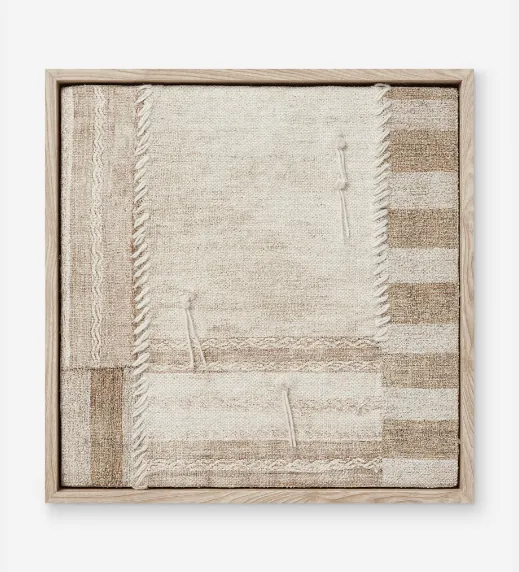
Textile Walls
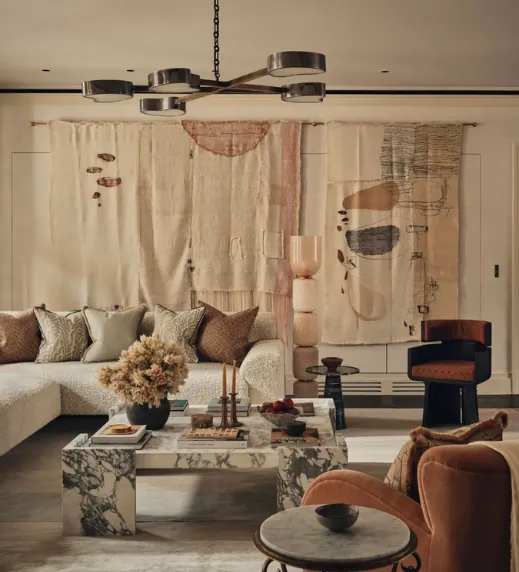
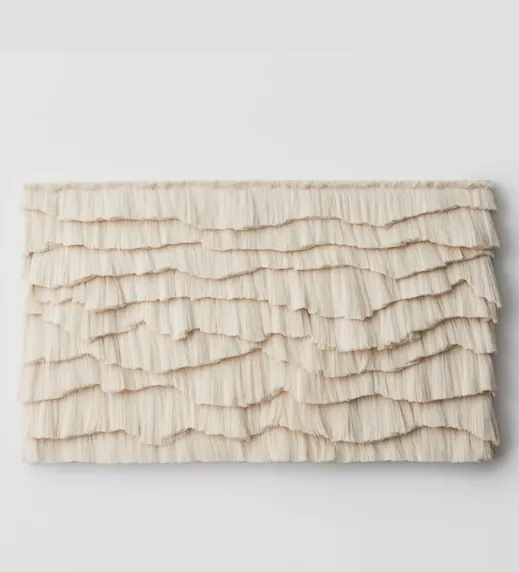
I understand why textile wall hangings are becoming more popular as a gentler substitute for framed art. Particularly in living rooms and bedrooms, they provide texture without the sharpness that artwork occasionally brings. This trend's sense of grounding is what makes it significant.
Fabric softens large walls, absorbs sound, and gives rooms a lived-in rather than a styled feel. Behind couches or beds, where a big piece can anchor the space without overpowering it, I like to hang textile wall hangings. Even smaller woven pieces put together work well if you're not ready for something large.
Earthy Paint
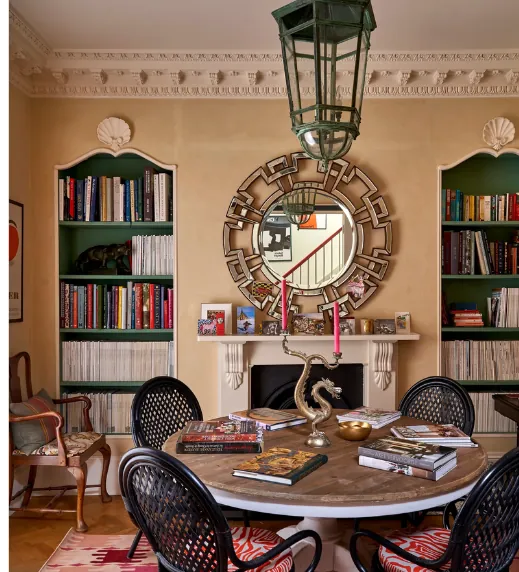
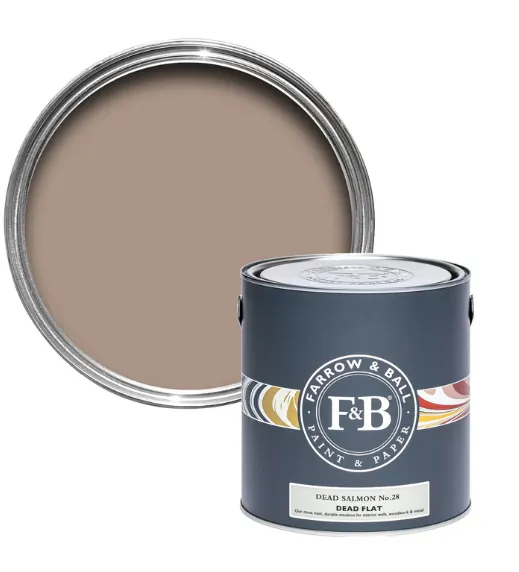
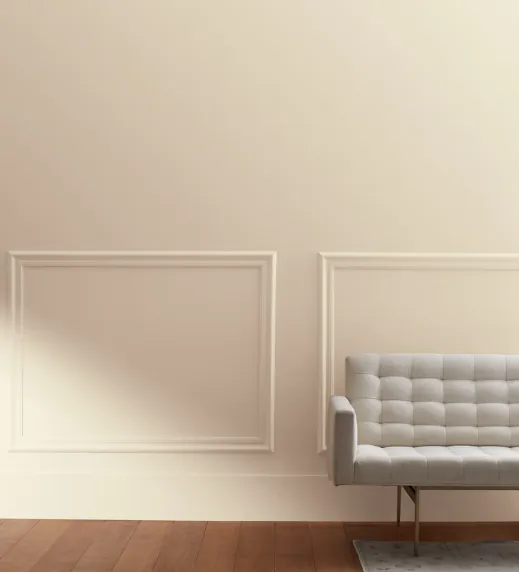
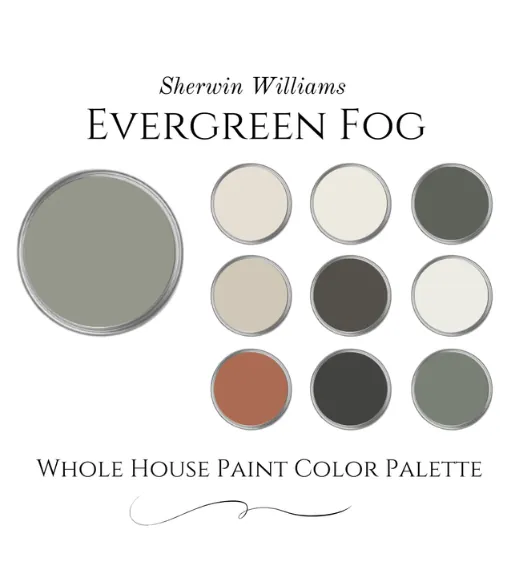
Paint colors that are earthy seem to be a natural reaction to visual overload. Stark whites and cool grays are giving way to muted greens, soft browns, warm beiges, and clay tones. These hues are important because they create a calmer atmosphere in spaces without being dull.
They seem to work particularly well in areas like dining rooms or bedrooms where you spend a lot of time. Starting with a single wall or even a hallway can change the atmosphere more than you might anticipate if repainting the entire space seems excessive.
Wellness Tech
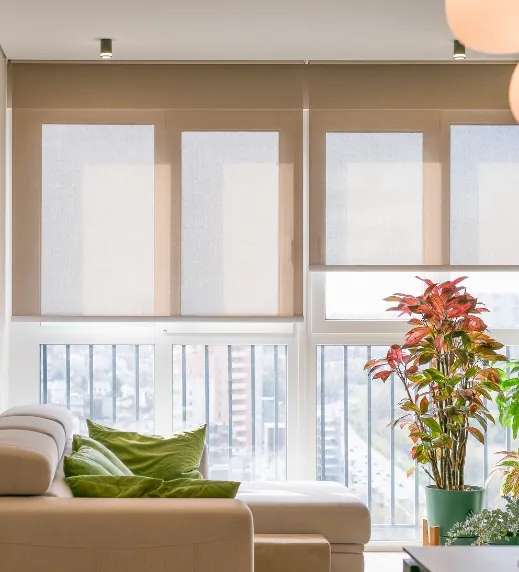
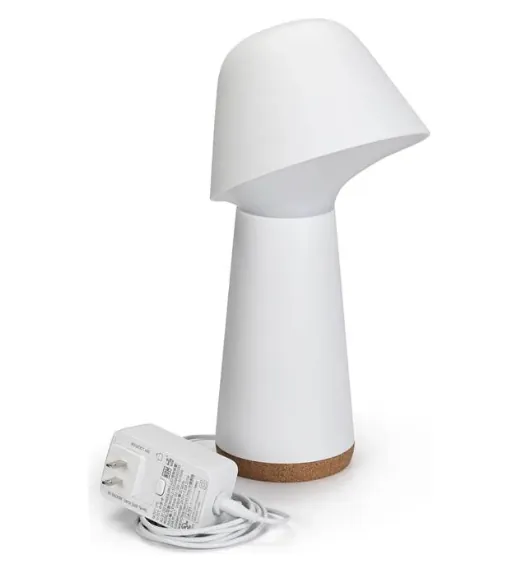
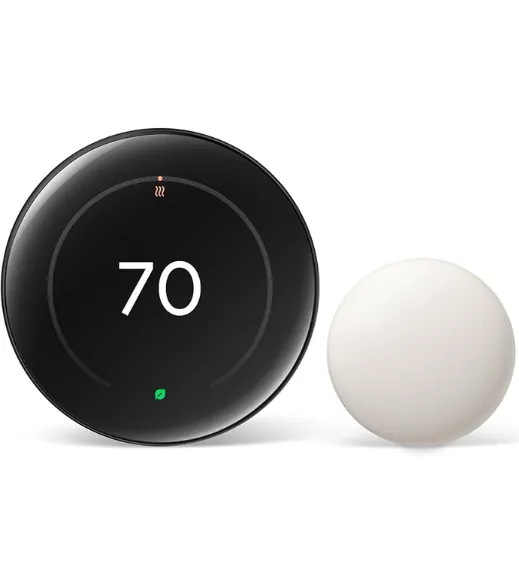
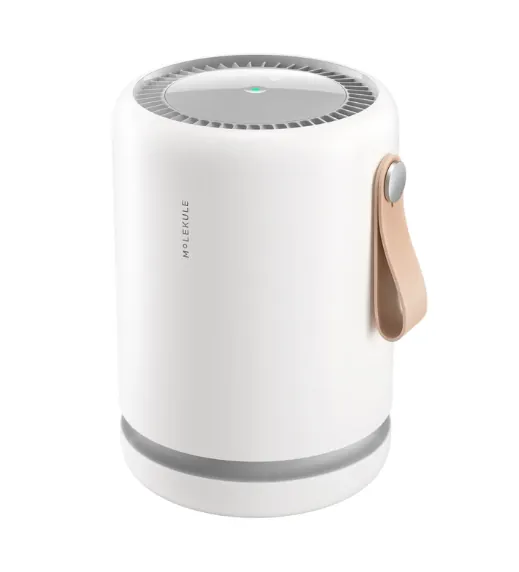
Instead of feeling futuristic, smart home features are more subtly incorporated into wellness-focused lifestyles. Automated shades, air purifiers, and lighting that changes throughout the day are examples of devices that are becoming increasingly popular because they support our real-world lifestyles.
This trend matters because it puts comfort first without requiring ongoing commitment. Before committing to anything more complicated, I prefer to start small, perhaps with smart lighting in living rooms or bedrooms. The objective seems more about ease than control.
Jewel Tones
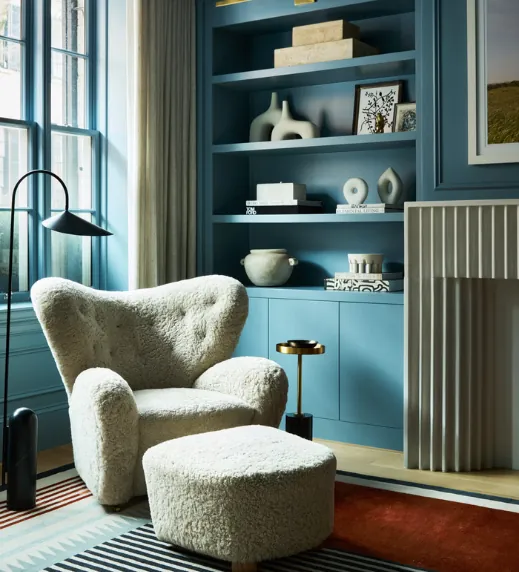
Though not in the same comprehensive manner as before, jewel tones are gradually making a comeback. I keep seeing burgundy, emerald green, and deep blue hues used sparingly rather than all over a room. They function because of this.
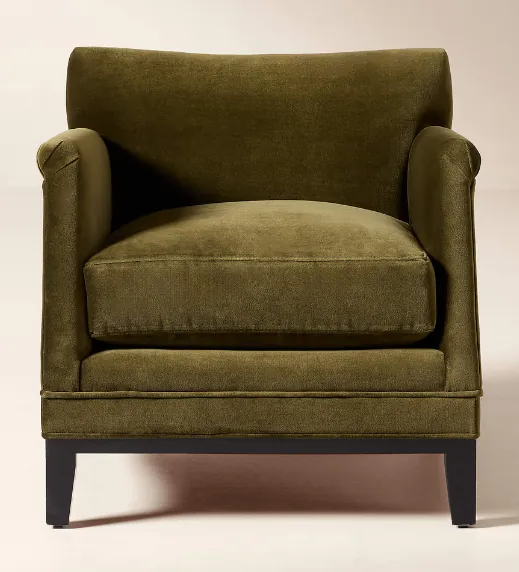
Without taking over the room, they provide warmth and depth. When these hues appear in built-ins, an accent chair, or even a single piece of décor, I've discovered that they are much easier to live with. While allowing neutral pieces to do the majority of the work, they add some personality to a space.
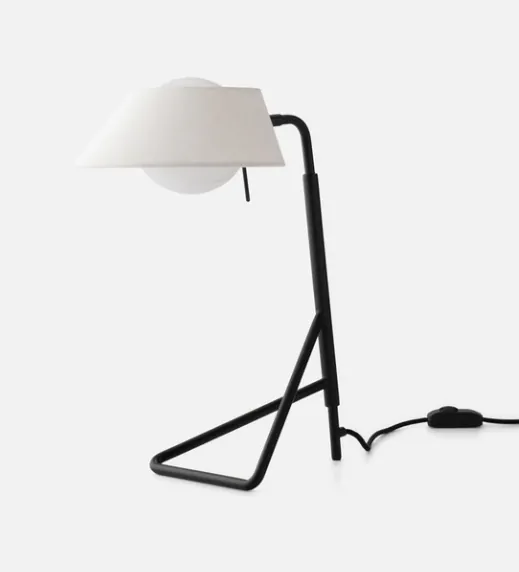
Alpine Cozy
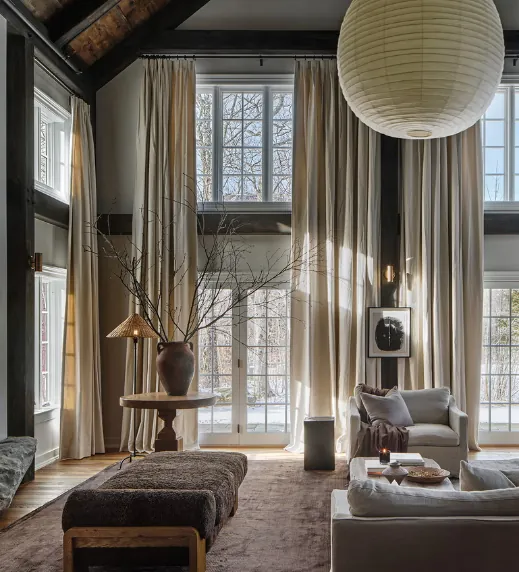
Alpine-inspired interiors are leaning less rustic and more relaxed. Think layered textures, warm woods, soft lighting, and pieces that invite you to sit down and stay awhile. This trend matters because it embraces comfort without feeling messy or overly themed.
I like pulling this look together through textiles first, heavier curtains, wool rugs, and plush seating rather than structural changes. It’s about creating warmth, not recreating a cabin.
Soft Industrial
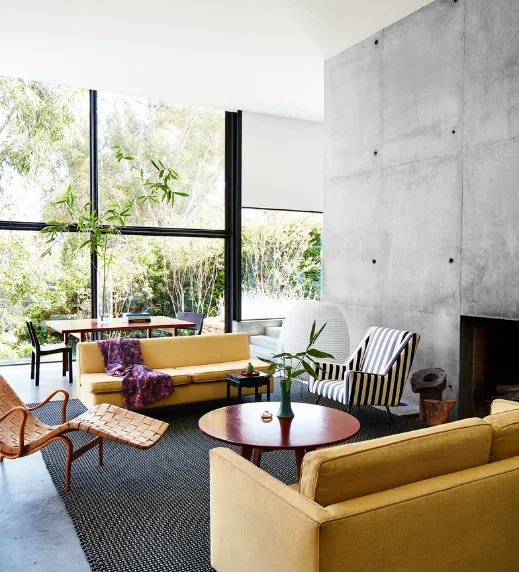
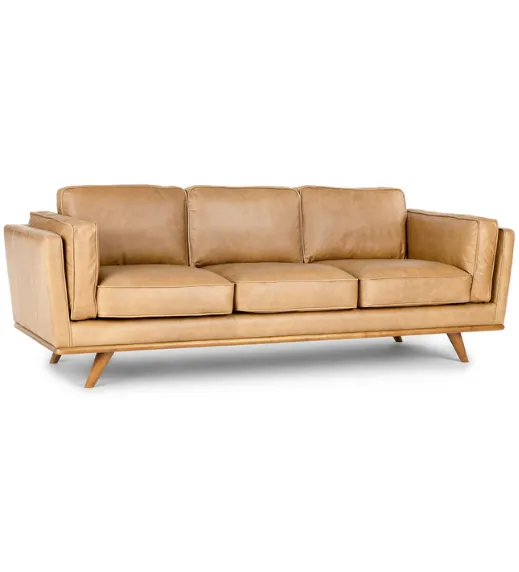
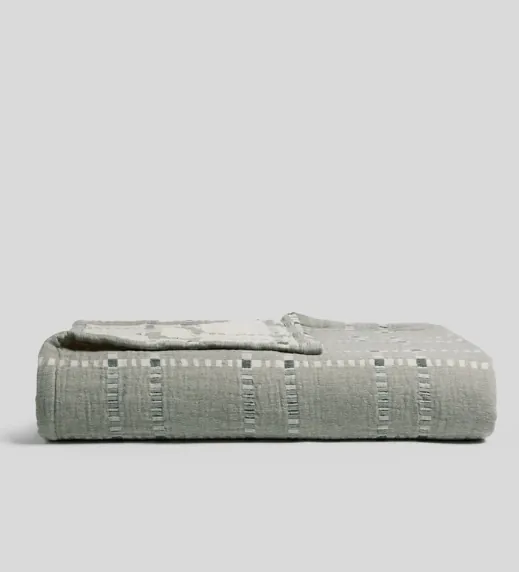
Neo-industrial spaces are losing their sharp edges in 2026. Concrete, steel, and raw finishes are still present, but they’re balanced with warmer materials and softer furniture. This approach matters because it makes industrial design more livable.
I’ve seen this style work best when one strong industrial element is paired with comfortable seating and layered rugs. You don’t need exposed ceilings to make this trend work.
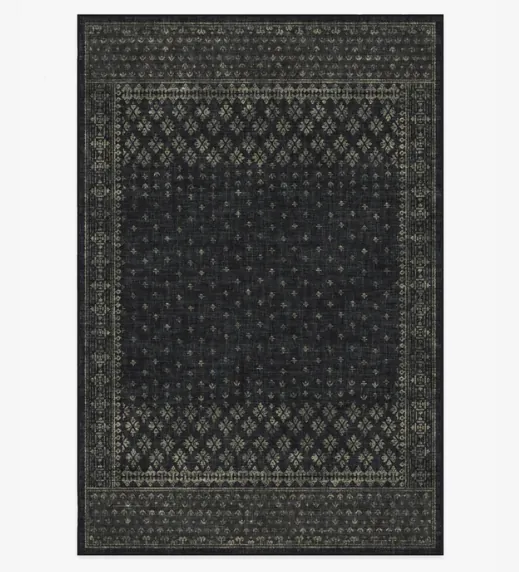
Layered Neutrals
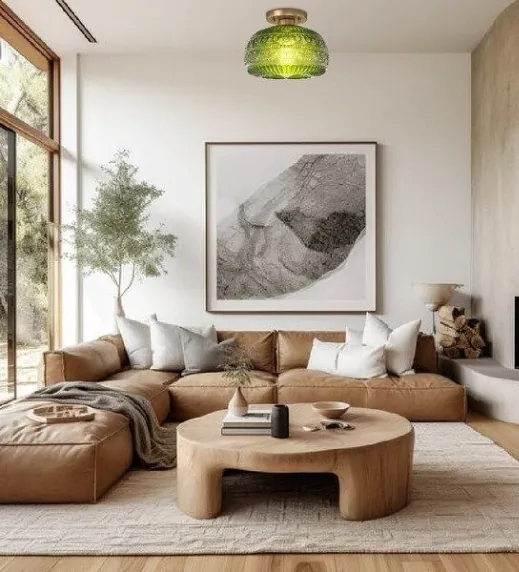
Layered neutrals are replacing minimal interiors that felt a little too bare. Instead of one flat shade, rooms are using multiple tones of white, beige, and taupe combined with different textures.
This trend matters because it feels calm but still visually interesting. I usually approach this by mixing fabrics rather than colors, linen, wool, wood, and ceramic all working together. It’s subtle, but it makes rooms feel finished.
.webp)
Pattern Mixing
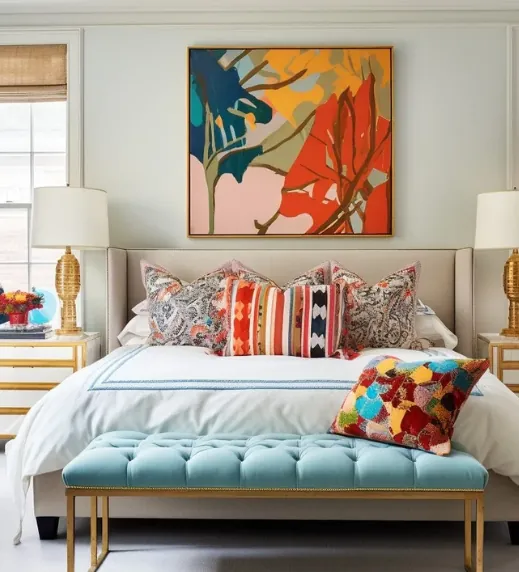
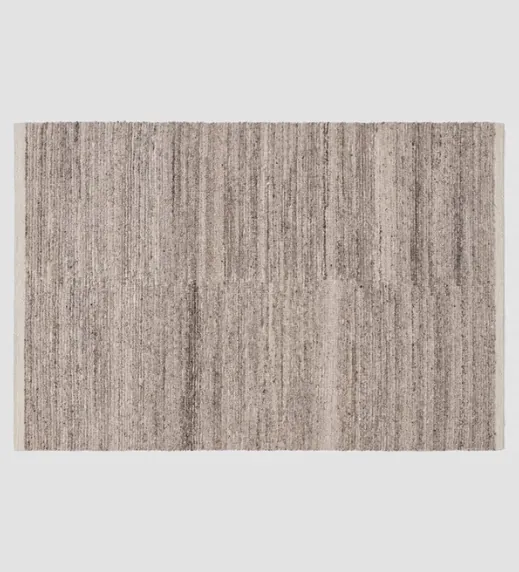
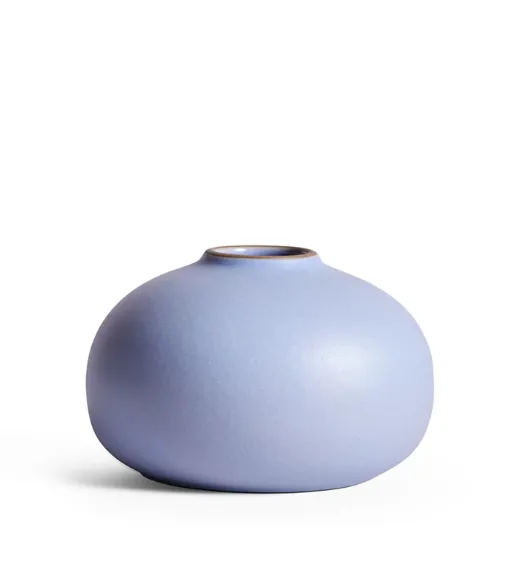
Pattern mixing is becoming more personal and less rule-driven. Florals, stripes, and geometric prints are showing up together, but in softer palettes that keep things cohesive.
This trend matters because it allows homes to reflect personality rather than perfection. I like starting with one patterned anchor piece, like a rug or bedding, and building around it slowly. The key is restraint, not matching everything perfectly.
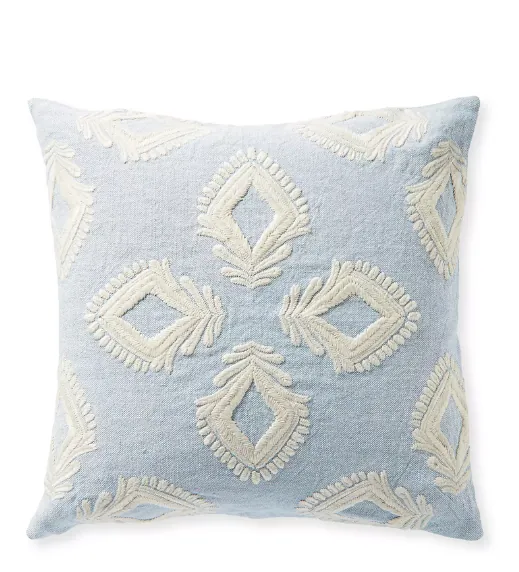
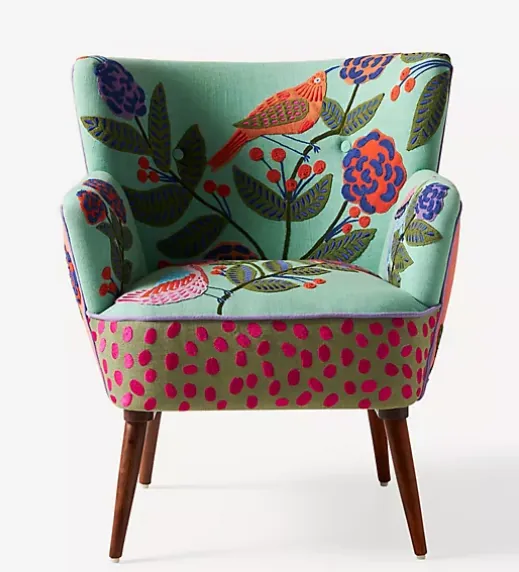
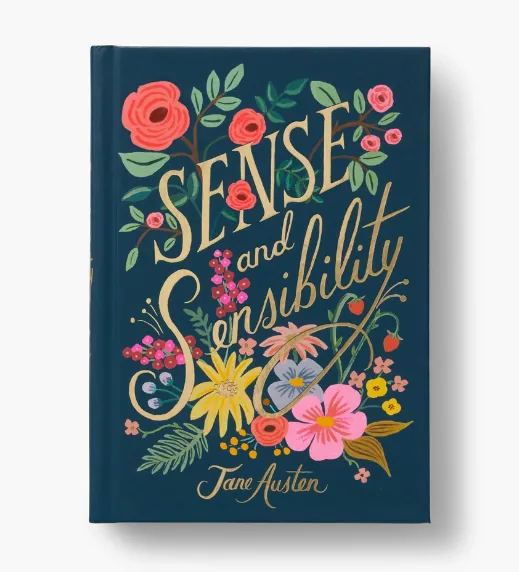
The biggest takeaway from these 2026 home trends is that they’re not asking anyone to start over. They reflect how people are living now, wanting homes that feel calm, functional, and flexible enough for everyday life.
Instead of chasing what’s new, these ideas focus on making spaces more comfortable, personal, and easier to settle into, which feels like the direction home design has been quietly heading all along.